
The Best Fluffy Pancakes recipe you will fall in love with. Full of tips and tricks to help you make the best pancakes.

How to Dry Flowers Naturally: There’s a quiet kind of magic in holding onto a bouquet long after its fresh bloom has faded. Maybe it was a birthday flower bouquet from someone who knows you well, a romantic rose bouquet from an anniversary, or simply a bunch of fresh flowers you picked up on an ordinary Tuesday because they made you smile. Drying flowers naturally is one of the oldest, most rewarding ways to hold onto that feeling — transforming a temporary gift into something that can last for months, sometimes years. In this guide, we’ll walk through everything you need to know about drying flowers at home, and along the way, share how Cafe Fleur, your local flower shop in Hyderabad, can help you start the process with the best possible blooms.
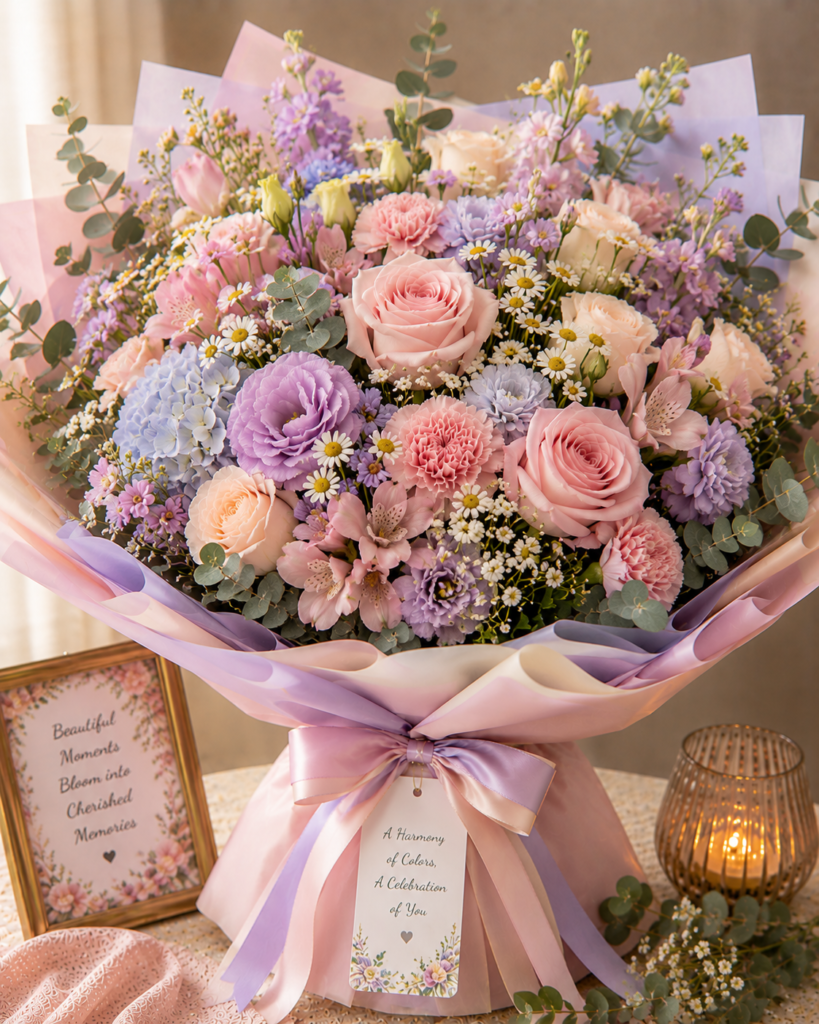
How to Dry Flowers Naturally: Why Bother Drying Flowers at All?
Fresh flowers are beautiful precisely because they’re fleeting — but that same fleetingness is what makes so many people want to preserve them. A dried flower isn’t just a craft project; it’s a small act of holding onto a memory. Maybe it’s the bouquet from a wedding, the birthday flowers from a milestone celebration, or a gift bouquet from a partner who wanted to make an ordinary day feel special. Drying flowers lets that memory live on in physical form, long after the fresh version would have wilted.
There’s also a practical, sustainable appeal to dried flowers. They require no water, no vase maintenance, and no risk of wilting on your windowsill. A well-dried arrangement can sit on a shelf or hang on a wall for years, quietly holding its color and shape without asking anything of you. In a world where so much is temporary and disposable, there’s something genuinely satisfying about a piece of home décor that started as a living, breathing flower and now exists as something permanent.
And of course, if you’re starting with a truly beautiful bouquet — a premium flower bouquet or a luxury arrangement from a trusted florist — drying even a few stems means you get to enjoy that beauty twice: once as a fresh arrangement, and once as a lasting keepsake.
Choosing the Right Flowers to Dry
Not every flower dries equally well, and knowing this before you start will save you a lot of disappointment. Flowers with sturdier petals and lower water content tend to hold their shape and color far better through the drying process than delicate, high-moisture blooms. Roses, lavender, baby’s breath, statice, strawflowers, hydrangeas, and marigolds are all excellent choices — they dry with relatively little fuss and tend to retain much of their original color.
On the other end of the spectrum, flowers like tulips and peonies are trickier. They’re gorgeous fresh, but their high water content means they can shrivel or lose their shape when air-dried. That doesn’t mean they can’t be dried at all — it just means they usually need a gentler, more controlled method, like silica gel, to preserve their form properly.
If you’re working with a romantic rose bouquet from a florist, you’re actually in luck — roses are one of the best flowers for drying, especially with the simple air-drying method. Their sturdy structure holds up beautifully as moisture leaves the petals, and the result often still resembles a rose in miniature, just with a slightly deeper, more muted color.
One more tip: when you’re specifically buying flowers with drying in mind, rather than repurposing a gift bouquet, look for blooms that are freshly cut and not yet fully open. Flowers picked at this earlier stage tend to hold their color and shape more successfully as they dry, compared to flowers that are already fully bloomed or slightly past their peak.
Timing: When to Start Drying
Here’s something a lot of people get wrong: the best time to begin drying a flower isn’t necessarily the moment you receive it. Flowers that are still extremely fresh and hydrated actually take longer to dry and are more prone to developing mold during the process, simply because there’s more moisture that needs to escape. On the other hand, flowers that have already started wilting will dry looking limp, faded, and generally disappointing.
The sweet spot is somewhere in between — usually a few days after you first receive or cut the flowers, once they’ve had time to open fully but before any petals start dropping or browning at the edges. If you’ve just received a fresh flower bouquet delivery and you’re planning to dry a few stems, let them sit in water and enjoy them for a couple of days first, then pull your favorite stems for drying once they’ve reached that ideal middle point.
It also helps to start the drying process in the morning, after any overnight moisture or dew has evaporated but before the heat of the day sets in. This small timing detail can make a meaningful difference in how evenly and successfully your flowers dry.
Method One: Air Drying, the Classic Approach
Air drying is the method most people picture when they think about drying flowers, and for good reason — it requires no special equipment, just a bit of patience and the right environment. It works especially well for sturdier flowers like roses, lavender, and statice, and it’s the go-to method for preserving something like a birthday flowers bouquet or a romantic rose bouquet from someone special.
To air dry flowers properly, start by removing the excess leaves from the lower half of each stem. Leaves hold onto moisture and can encourage mold to develop during the drying process, so it’s best to strip them away before you begin. Next, group your flowers into small bunches — five to seven stems per bunch tends to work best. Bunching too many stems together restricts airflow between them and slows the whole process down, increasing the risk of mold or uneven drying.
Once your bunches are ready, tie the stems together with string, twine, or even a simple rubber band, leaving enough length that you can hang them upside down comfortably. Find a dark, dry, well-ventilated spot to hang them — a closet, a pantry, or a covered area away from direct sunlight all work well. Avoid bathrooms and kitchens, since the humidity in these rooms will slow drying considerably and increase the risk of mold forming on the petals.
From here, it’s mostly a waiting game. Most flowers take about two to three weeks to fully air dry, though this can vary depending on the flower type, the humidity in your space, and the size of your bunches. You’ll know they’re ready when the stems feel stiff and brittle to the touch, and the petals no longer feel cool or slightly moist. Once dried, they’re ready to be displayed in a vase, worked into a wreath, or framed as a keepsake.
A few common mistakes to watch out for: hanging flowers in direct sunlight (which fades their color much faster than shaded drying would), bunching too many stems together, drying in a humid room, and handling the finished dried flowers too roughly — once fully dried, petals become fragile and can crumble easily if mishandled.
Method Two: Pressing, for Flat and Decorative Uses
Pressing is a different approach entirely — instead of preserving a flower’s three-dimensional shape, it flattens the bloom completely, which makes it ideal for framed art, bookmarks, greeting cards, or even resin jewelry. This method works particularly well with flatter flowers like pansies, violets, and daisies, or with individual petals pulled from a larger, sturdier bloom.
This is actually a lovely way to preserve just one meaningful piece of a larger arrangement — for example, pressing a single rose from a romantic rose bouquet rather than trying to dry the entire bouquet. It becomes a small, personal keepsake rather than a full display piece.
To press flowers, place them between two sheets of parchment paper or another absorbent paper, making sure the petals don’t overlap each other. Slip this into a heavy book, or use a dedicated flower press if you happen to have one. Add some extra weight on top — a few more books stacked up work perfectly fine — to apply even, consistent pressure throughout the drying process.
Pressing typically takes anywhere from one to three weeks, depending on how thick the flower or petal is. Thinner blooms may be ready within a week, while thicker ones can take the full three weeks to flatten and dry completely. Check periodically, and once they’re ready, store your pressed flowers flat, either in a dry envelope or tucked between the pages of a book, until you’re ready to use them in a craft project or frame them.
Method Three: Silica Gel, for Preserving Shape and Vivid Color
If air drying and pressing both feel like too much of a compromise — either losing some color or losing the flower’s dimensional shape — silica gel drying is where you’ll get the best of both worlds. This method is widely considered the gold standard for preserving a flower’s true-to-life shape and vibrant color, far surpassing what simple air drying alone can achieve.
Silica gel is particularly well-suited to delicate or fully-bloomed flowers, like roses, peonies, or dahlias, that you want to capture in their most photogenic, freshly-bloomed state. It’s also the method many professional florists reach for when preserving wedding bouquets or other deeply sentimental arrangements, since it captures the flower almost exactly as it looked on the day it was given.
To use this method, fill a container with a layer of silica gel — available at most craft stores — about one to two inches deep. Place your flower face-up on top of this layer, gently arranging the petals into their natural position. Then, slowly and carefully pour more silica gel over and around the petals, using a small spoon or soft brush to make sure the gel fills every gap between petals without crushing or bending them out of shape.
Seal the container and leave it completely undisturbed for anywhere from two to seven days, depending on how large and thick the flower is. Once the drying time has passed, carefully pour out the silica gel and gently brush away any remaining granules with a soft paintbrush. Store your finished flower in a dry, airtight container, or display it right away — silica-dried flowers tend to be more delicate than air-dried ones, so they deserve a little extra care when handling.
Method Four: Microwave Drying, for When You’re Short on Time
If you don’t want to wait weeks for your flowers to dry, microwave drying — combined with silica gel — is the fastest option available, often finishing in just a few minutes rather than weeks. It’s best suited to small, single flowers rather than full bouquets, and it’s a great choice when you want quick results for a small craft project or a last-minute gift.
To microwave-dry a flower, place it in a microwave-safe container with a layer of silica gel underneath, following the same placement process described above for standard silica gel drying. Cover the flower gently with more silica gel, then place the uncovered container in the microwave. Microwave in short bursts — typically one to three minutes depending on the size of the flower — checking frequently to avoid overheating or scorching the delicate petals.
Once you’re satisfied with the result, let the container cool completely before removing the flower, since the petals will be extremely fragile immediately after heating. Handle the finished flower gently, as microwave-dried blooms tend to be even more brittle than those dried through other methods.
Caring for Your Dried Flowers Long-Term
Once your flowers are fully dried, a little ongoing care will help them last as long as possible. Keep them out of direct sunlight, which fades their color steadily over time, and store or display them somewhere dry — humidity can cause mold to develop or cause the petals to reabsorb moisture and lose their carefully preserved shape.
Every few weeks, dust your dried arrangements gently with a soft brush rather than water or cleaning sprays, both of which can damage fragile dried petals. It’s also worth thinking about placement — avoid high-traffic areas where the arrangement might get knocked or brushed against accidentally, since dried petals are far more delicate than fresh ones.
With this kind of care, dried flowers from a quality bouquet — say, a premium flower bouquet or a luxury arrangement — can last anywhere from six months to several years, depending on the drying method used and the type of flower involved.
Creative Ways to Use Your Dried Flowers
Once you have a collection of dried blooms, there are countless ways to give them a second life. Wreaths remain a classic, beautiful way to display a full dried bouquet, especially if you want something to hang year-round. Pressed flowers, meanwhile, work beautifully in framed art, turning a single meaningful bloom into a piece of personal, lasting décor.
Smaller-scale projects work well too — pressed petals laminated onto cardstock make thoughtful, handmade bookmarks or greeting cards, while tiny dried blooms embedded in resin can become delicate jewelry pieces like pendants or earrings. If you have extra dried petals left over, crumbling them into potpourri, combined with a few drops of essential oil, is a lovely way to bring natural fragrance into your home. And for something a little more understated, a simple dried arrangement makes an elegant, low-maintenance centerpiece for your everyday table.
Why Starting with Fresh, High-Quality Flowers Matters So Much
Here’s the thing about drying flowers: the final result depends almost entirely on the quality of the flower before the drying process even begins. Flowers that were already wilting, poorly stored, or past their peak before drying will result in dull colors, weaker structure, and a dried arrangement that simply doesn’t last as long or look as good.
This is exactly why sourcing your flowers from a trusted flower shop in Hyderabad matters so much — rather than working with blooms that have already spent days in transit or sat in poor storage conditions, starting with genuinely fresh, vibrant flowers gives you a real head start. It’s the difference between a dried bouquet that still turns heads a year later, and one that looks tired and faded within a few months.
How Cafe Fleur Can Help You Get Started
If you’re thinking about trying flower drying at home — whether to preserve a sentimental gift or simply start a new creative hobby — Cafe Fleur is here to help you begin the process the right way.
As a trusted florist near me and local florist, we make sure every bouquet that leaves our shop is at its absolute freshest, giving you the best possible starting point for drying. Our floral arrangements include many of the best flowers for natural drying, from roses — perfect for a romantic rose bouquet you might want to preserve — to lavender and statice, both excellent choices for beginners just getting started with air drying.
For those looking to preserve something truly special, our premium flower bouquets and luxury bouquets are crafted with quality blooms that hold up beautifully through the drying process, whether you’re commemorating an anniversary, a milestone birthday, or simply a moment worth remembering. Many of our customers choose to dry a few stems from their birthday flower bouquet or gift bouquet as a lasting keepsake of the occasion, and we’re always happy to help guide that choice.
Because timing matters so much for successful drying, our same-day flower delivery and bouquet delivery across Hyderabad means you can begin the process at exactly the right moment, rather than working with flowers that have already spent days in transit. And if you’d rather shop from home, our fresh flowers online through our online flower shop make it easy to get dry-ready blooms delivered straight to your door, whether the flowers are meant as a gift or purely for your own preservation project.
Our team is also genuinely passionate about flowers beyond just selling them — we’re always happy to recommend which stems in a particular bouquet will dry best, so you can plan ahead even before your arrangement leaves our shop.
Final Thoughts
Drying flowers naturally is a simple, deeply rewarding way to turn a temporary bouquet into something lasting — whether that’s a romantic rose bouquet from someone you love, a birthday flower bouquet marking a special milestone, or a spontaneous gift bouquet that made an ordinary day feel a little brighter. The method you choose, whether it’s classic air drying, delicate pressing, precise silica gel preservation, or quick microwave drying, really comes down to how much time you have and how you plan to use the finished flowers.
But no matter which method you choose, the single biggest factor in a beautiful, long-lasting result is starting with fresh, high-quality flowers. That’s where Cafe Fleur comes in — as your local flower shop in Hyderabad, we’re here to make sure every bouquet you bring home, whether it’s meant for gifting, everyday enjoyment, or long-term preservation, starts at its absolute best.
Ready to start your own dried flower collection? Order fresh flowers visit Cafe Fleur for same-day bouquet delivery in Hyderabad, and give your favourite, blooms a beautiful second life.